



The 2025 flu season began earlier than usual in several European countries and reached high levels of activity across much of the region. Both the World Health Organization Regional Office for Europe (WHO/Europe) and the European Centre for Disease Prevention and Control (ECDC) highlighted the unusually early increase in influenza circulation.
In November 2025, the ECDC published a threat assessment addressing the early circulation of seasonal influenza in the EU/EEA and the emergence of influenza A(H3N2) subclade K. The agency reported that this newly emerged subclade was driving influenza activity and stressed the importance of close surveillance and timely preventive measures.
By December 2025, WHO/Europe reported that the flu season had started approximately four weeks earlier than in previous years, with at least 27 of the 38 reporting countries experiencing high or very high influenza activity.
Circulation was driven mainly by influenza A viruses, with particular attention focused on A(H3N2) and the emergence of new viral subclades. In this context, detecting influenza A is not always the end of the diagnostic process. Identifying the circulating subtype can provide valuable information for epidemiological and virological surveillance, outbreak monitoring and public health decision-making.
What is influenza, and why does it change every season?
Influenza, commonly known as flu, is an acute respiratory infection caused by viruses that spread easily from person to person. Although it can affect people of all ages, the risk of complications is higher among older adults, pregnant women, immunocompromised patients and people with chronic health conditions.
Influenza viruses are mainly classified into types A, B and C. Types A and B are responsible for most cases of seasonal influenza.
One of the most important characteristics of influenza viruses is their high degree of genetic variability. As a result, the predominant strains, transmission intensity and clinical impact can vary significantly from one season to another.
Influenza A subtypes: H1N1, H3N2 and H5
Influenza A viruses are classified into subtypes according to two proteins on their surface: haemagglutinin, represented by the letter H, and neuraminidase, represented by the letter N.
Some of the most relevant subtypes for surveillance include:
A(H1N1)pdm09, which has circulated seasonally since the 2009 pandemic.
A(H3N2), often associated with seasons of high influenza activity.
A(H5), primarily associated with avian influenza and of particular interest from a public health surveillance perspective.
Identifying the subtype does more than describe viral circulation. It can also help laboratories and public health authorities detect epidemiological changes, investigate outbreaks and recognise potential events involving viruses of animal origin.
Influenza A symptoms and groups at greater risk
Influenza A usually develops suddenly and may cause respiratory and systemic symptoms of varying severity.
The most common symptoms include:
Sudden-onset fever.
Cough, usually dry.
Sore throat.
Muscle and joint pain.
Headache.
Severe fatigue.
General malaise.
Although most people recover without complications, influenza can lead to pneumonia, worsening of chronic diseases, hospitalisation or severe illness in vulnerable patients.
During periods of high circulation, laboratory diagnosis becomes particularly important for high-risk patients, hospitalised individuals and situations in which the result may influence clinical management or infection-control measures.
The 2025 flu epidemic in Spain and Europe: what is being observed
Influenza activity began increasing earlier than usual in several European countries. The region subsequently experienced an early and intense flu season, driven largely by an A(H3N2) variant.
European surveillance is supported by ERVISS, the integrated system used to monitor influenza, RSV, SARS-CoV-2 and other respiratory viruses across Europe. These data help assess:
The intensity of viral circulation.
The predominant respiratory viruses.
Weekly changes throughout the season.
The emergence of potential epidemiological shifts.
In Spain, surveillance is coordinated through SiVIRA, which collects data on acute respiratory infections in both primary care and hospital settings.
In Catalonia, the SIVIC system also monitors influenza and other respiratory infections. During the 2025–2026 season, it recorded periods of significant transmission, with the weekly fluctuations typically seen during a seasonal epidemic.
Why laboratory testing is essential during an influenza epidemic
Influenza symptoms can easily overlap with those caused by other respiratory infections, particularly RSV and COVID-19. Fever, cough, sore throat, fatigue and breathing difficulties do not always make it possible to identify the responsible pathogen on clinical grounds alone.
During seasonal peaks, laboratory testing can provide:
Differential diagnosis between the main respiratory viruses.
Confirmation of infection in vulnerable or hospitalised patients.
Results that support clinical decision-making.
Information for epidemiological surveillance.
Identification of influenza A-positive samples that may require further subtyping.
This information is especially valuable when several respiratory viruses are circulating simultaneously and laboratories are processing large volumes of samples.
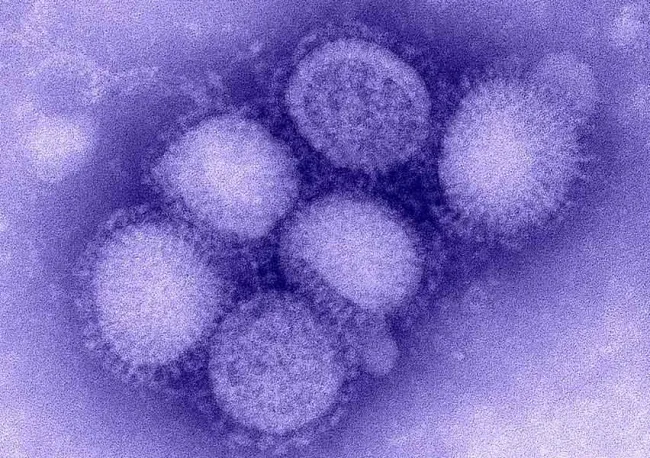
Influenza PCR: detection and subtyping in two stages
Molecular diagnosis using real-time RT-PCR enables laboratories to detect influenza viral RNA directly in respiratory samples.
A practical testing strategy can be organised into two stages:
Initial multiplex screening for the most relevant respiratory viruses.
Subsequent subtyping of influenza A-positive samples.
First line: multiplex respiratory virus screening
In the first stage, a multiplex assay can test a single sample for several viruses that cause similar clinical presentations.
This approach can differentiate between:
Influenza A.
Influenza B.
RSV.
SARS-CoV-2.
Multiplex screening can streamline the diagnostic process, reduce the number of separate reactions required and support laboratory workflow during periods of high demand.
Second line: influenza A subtyping
When a sample tests positive for influenza A, subtyping can differentiate epidemiologically relevant variants such as A(H1N1)pdm09, A(H3N2) and A(H5).
This second stage provides information that a generic influenza A result cannot offer. It may help laboratories and surveillance systems to:
Determine which subtype is circulating.
Support virological surveillance.
Investigate clusters or outbreaks.
Identify results requiring further characterisation.
Strengthen the response to early or particularly intense influenza seasons.
The inclusion of A(H5) may also help identify samples requiring additional investigation because of a potential avian influenza virus.
Any such detection should be confirmed and characterised in accordance with the procedures established by public health authorities and reference laboratories.
Vircell solutions for molecular influenza diagnosis
Vircell offers a molecular testing strategy combining screening for the main respiratory viruses with the subsequent subtyping of influenza A-positive samples.
SARS-CoV-2 / FLU A / FLU B / RSV REALTIME PCR KIT
SARS-CoV-2 / FLU A / FLU B / RSV REALTIME PCR KIT (RTPCR021) is a multiplex real-time RT-PCR assay designed to detect the following viruses in a single reaction:
Influenza A.
Influenza B.
RSV.
SARS-CoV-2.
The assay is designed for human respiratory samples and allows all four viruses to be analysed in a single reaction tube per sample.
This supports rapid differential diagnosis, helps optimise laboratory workflows and facilitates sample management during periods of high respiratory virus circulation.
The screening assay also enables laboratories to identify influenza A-positive samples that may require further characterisation.
FLU A SUBTYPING REALTIME PCR KIT
FLU A SUBTYPING REALTIME PCR KIT (RTPCR037-LP-R) is designed as a second-line assay for the detection and differentiation of:
A(H1N1)pdm09.
A(H3N2).
A(H5).
The kit provides simultaneous detection of all three subtypes in a single reaction and includes a human internal control based on RNase P.
It is designed for respiratory samples, including nasopharyngeal and oropharyngeal swabs, and can be used after influenza A has been detected using an initial screening assay.
Combining the two assays supports a sequential molecular workflow:
Detect and differentiate the main respiratory viruses.
Select influenza A-positive samples.
Identify the influenza A subtype using a second real-time RT-PCR assay.
Use the results to support surveillance, research or further characterisation when required.
Conclusion
The 2025 flu season once again demonstrated that influenza activity can begin early, change rapidly and place considerable pressure on healthcare systems.
In this context, molecular testing helps differentiate influenza from other respiratory viruses and provides results within a clinically useful timeframe.
When influenza A is detected, subtyping provides additional information that can improve understanding of viral circulation and strengthen epidemiological surveillance.
The combination of SARS-CoV-2 / FLU A / FLU B / RSV REALTIME PCR KIT and FLU A SUBTYPING REALTIME PCR KIT provides a two-stage approach:
First detect the virus and then, when necessary, characterise it.
During an intense influenza season, it is not always enough to know that influenza A is circulating. It is also important to understand which influenza A subtype is involved.



MORE PUBLICATIONS





DO YOU HAVE ANY QUESTIONS?
Contact us