
BRUCELLACAPT® and pediatric neurobrucellosis: the value of serology when culture and PCR are negative
Neurobrucellosis is an uncommon but potentially severe complication of brucellosis. Its presentation can be non-specific, which makes early recognition challenging—particularly in endemic regions and in children presenting with unexplained neurological syndromes.
A recently reported pediatric case reinforces an important diagnostic point: standard microbiology and even molecular panels may return negative results, especially in focal central nervous system involvement. In these scenarios, serology can provide the evidence needed to support a timely diagnosis and appropriate clinical management.
When conventional methods fail to identify the cause
The case describes an 11-year-old boy with systemic symptoms alongside neurological manifestations such as frontal headache, vomiting, diplopia, ophthalmoplegia, and transient aphasia. Epidemiological context, Raw milk ingestion, animal exposure, and a positive family history of brucellosis, strengthened clinical suspicion.
Despite this, the diagnostic workup highlighted the limitations of conventional methods. Multiple blood cultures were negative. Cerebrospinal fluid (CSF) culture and Gram stain revealed no microorganisms. A multiplex PCR meningitis panel was negative at the initial CSF evaluation and remained negative after one week of therapy.
BRUCELLACAPT®: supporting serological confirmation
In this context, the BRUCELLACAPT® immunocapture agglutination assay showed significant serum titers (1:640) against Brucella melitensis and Brucella abortus, providing etiological confirmation of infection.
BRUCELLACAPT® detects total anti-Brucella antibodies (IgM, IgG, and IgA), including incomplete or non-agglutinating antibodies that may not be detected by conventional agglutination assays. This detection profile can be particularly valuable in complicated or focal brucellosis, where culture or PCR frequently yield false-negative results.
Clinical relevance: enabling earlier decisions
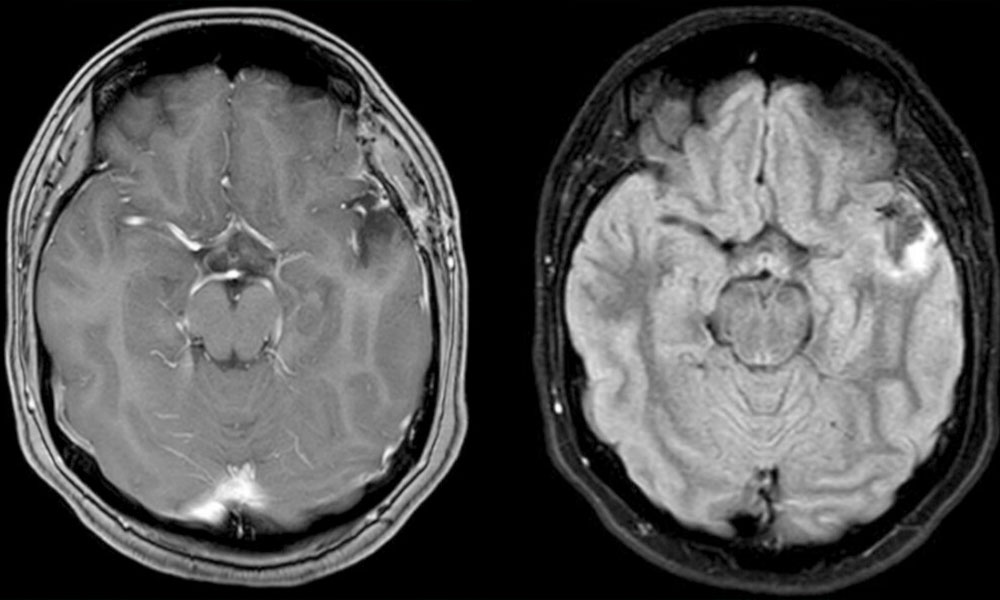
Following targeted combination antibiotic therapy, the patient showed significant improvement within one week, with resolution of ophthalmoplegia. Follow-up demonstrated improvement in CSF parameters and radiological regression of lesions after one month.
For laboratories and clinicians working in endemic settings, the practical takeaway is clear: neurobrucellosis should remain a key consideration in children with unexplained neurological symptoms, and serological tools can be decisive when microbiology and molecular testing are inconclusive.